Reformation Day
On October 31, 1517, Martin Luther’s challenge to a corrupted church ignited a movement that recovered the Gospel, restored Scripture to the people, and laid the theological foundation for Western liberty.
Start Here
Begin with the overview and Dr. Lyons’ tract on Martin Luther.
Primary Sources
Read Luther in his own words.
Check the internet for many of Luther’s other writings.
Teaching Tools & Recommended Reading
A lesson plan, a teaching guide, and books for teaching the Reformation.
- Lesson Plan, Martin Luther — Lesson plan {by:max}
- Resources for Teaching the Reformation — Compiled by Max Lyons, Ph.D. {by:max}
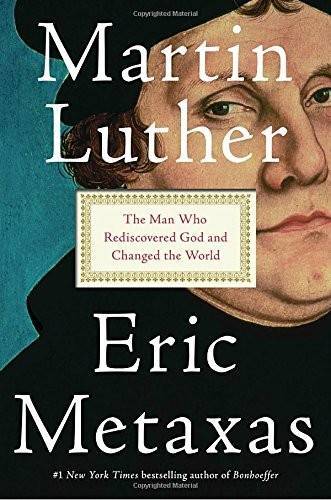
- Martin Luther: The Man Who Rediscovered God and Changed the World — Eric Metaxas {img:https://thebiblicalthinker.com/wp-content/uploads/2026/10/metaxas-luther.jpg}
- The Story of Liberty — Charles C. Coffin {img:https://thebiblicalthinker.com/wp-content/uploads/2026/10/coffin-story-of-liberty.jpg}
- Martin Luther — Simonetta Carr {img:https://thebiblicalthinker.com/wp-content/uploads/2026/10/28396917.jpg}
- Martin Luther — Mike Fearon {img:https://thebiblicalthinker.com/wp-content/uploads/2026/10/1015520.jpg}
- Here I Stand: A Life of Martin Luther — Roland H. Bainton {img:https://thebiblicalthinker.com/wp-content/uploads/2026/10/5404.jpg}
- Katharine von Bora, The Morning Star of Wittenberg — Jenna and Shanna Strackbein {img:https://thebiblicalthinker.com/wp-content/uploads/2026/10/katharine-von-bora.jpg}
- Christian History Magazine — See the issues on John Amos Comenius, Zwingli, John Wycliffe, Jan Hus, Martin Luther, John Knox, John Calvin, the 500th anniversary of the Reformation, Women of the Reformation, The People’s Reformation, The Catholic Reformation, Luther Leads the Way, and Zinzendorf and the Moravians
- Celebrate Our Christian Holidays Like You Were There — Chapters and dramas on Luther, Hus and Wycliffe — Max and Margie Lyons {img:https://thebiblicalthinker.com/wp-content/uploads/2025/09/Celebrate-front-233x300.jpg}
Music & Videos
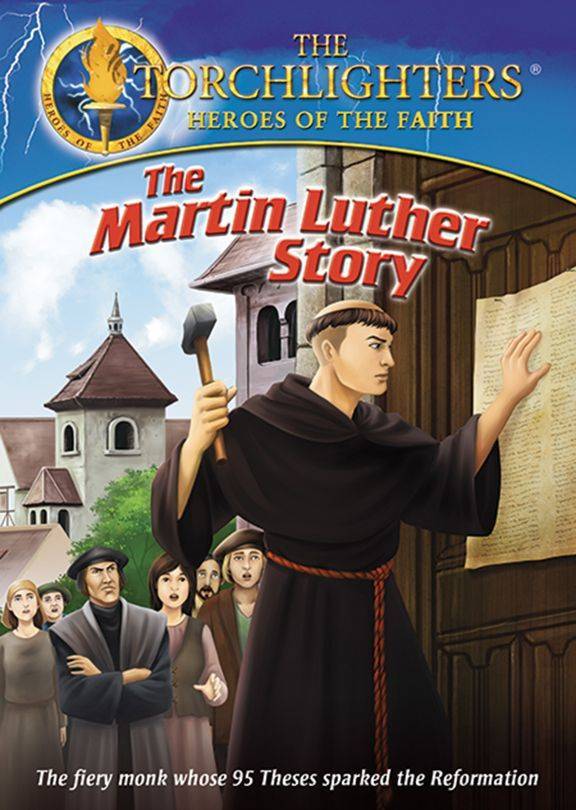
Music and videos that bring Luther, Tyndale and the Reformation to life.
- Torchlighters: Martin Luther — 30 minutes · available from Vision Video {img:https://thebiblicalthinker.com/wp-content/uploads/2026/10/torchlighters-martin-luther.jpg}
- Torchlighters: The William Tyndale Story — 30 minutes {img:https://thebiblicalthinker.com/wp-content/uploads/2026/10/torchlighters-william-tyndale.jpg}
- Lost Secrets of the Reformation — 11 minutes
- Luther (2003) - Full Movie — Watch on YouTube or elsewhere
The Torchlighters series is available free on Redeem TV.
Skits & Plays
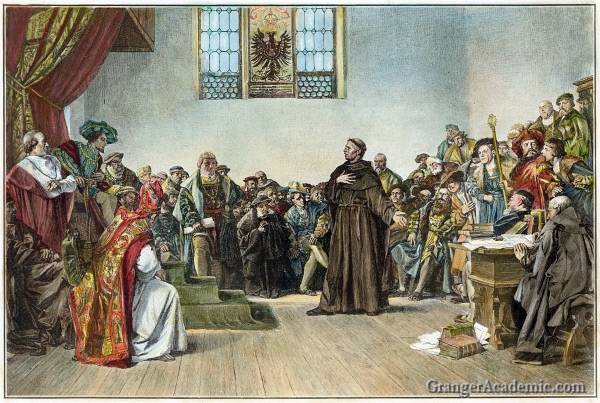
Skits, monologues and a family night of Reformation.
- Martin Luther Skit — Skit {by:celebrate}
- Martin Luther Monologue — Monologue {by:celebrate}
- John Wycliffe Skit — Skit {by:celebrate}
- John Huss Skit — Skit {by:celebrate}
- Heroes of the Faith Speak: Seven Monologues — Martin Luther Monologue — Stephen M. Crotts {img:https://thebiblicalthinker.com/wp-content/uploads/2026/10/heroes-of-the-faith-speak.jpg}
- A Night of Reformation — Celebrating the Reformation with Family and Friends — compiled by Pam Forster {img:https://thebiblicalthinker.com/wp-content/uploads/2026/10/night-of-reformation.jpg}
To add a resource, open the category's Icon List, click + Add Item, write Title — author or detail in Text, pick an icon (it sets the label: PDF, Book, Video, Drama…) and paste a link if there is one. Add {by:celebrate} to mark a piece from the Celebrate book, or {by:max} for another piece Dr. Lyons wrote (a small badge shows on the card). A card's picture is automatic for PDFs and YouTube links; for a book or film, add {img:https://…/cover.jpg} at the end of the Text. A pane's picture is the Image widget inside its category.
How it unfolded
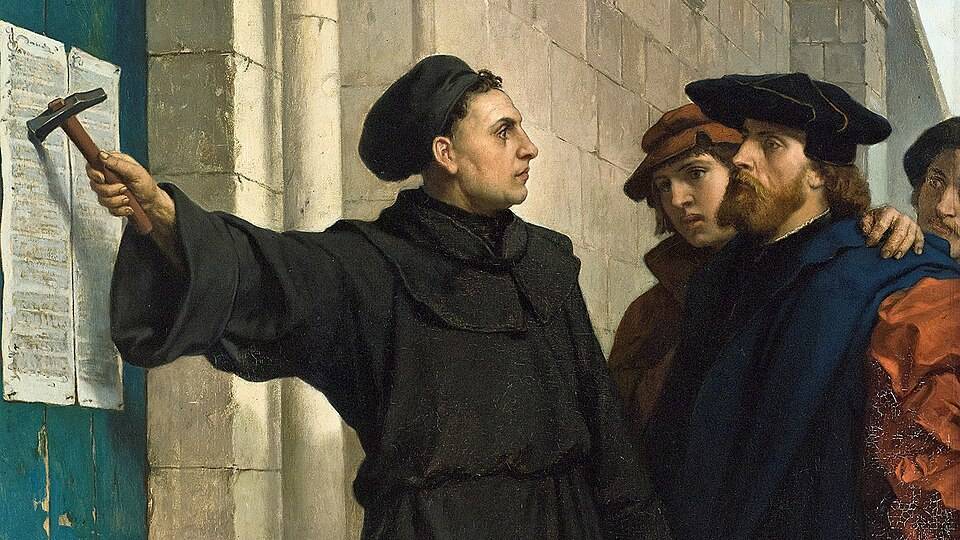
The Ninety-five Theses
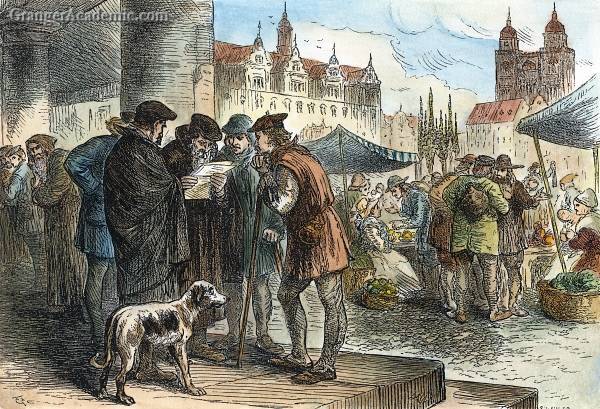
Martin Luther, a professor at Wittenberg, challenges the sale of indulgences and calls for a public debate. Tradition says he posted his theses on the Castle Church door; within weeks, printers had spread them across Germany.
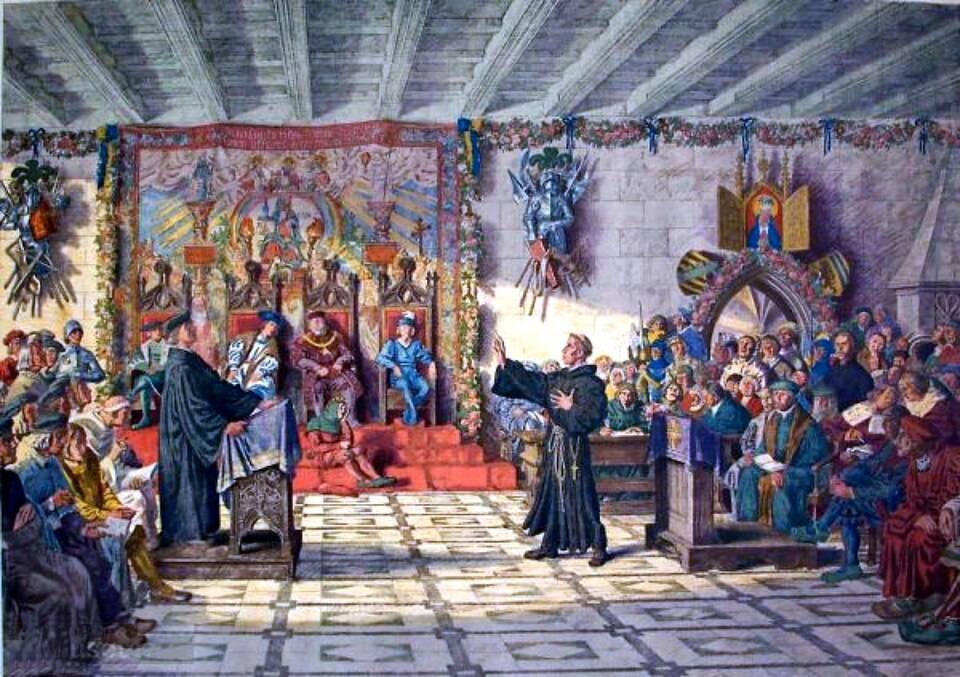
The Leipzig Debate
Debating Johann Eck, Luther is pressed to admit that popes and councils can err, and he stands on Scripture as the final authority.
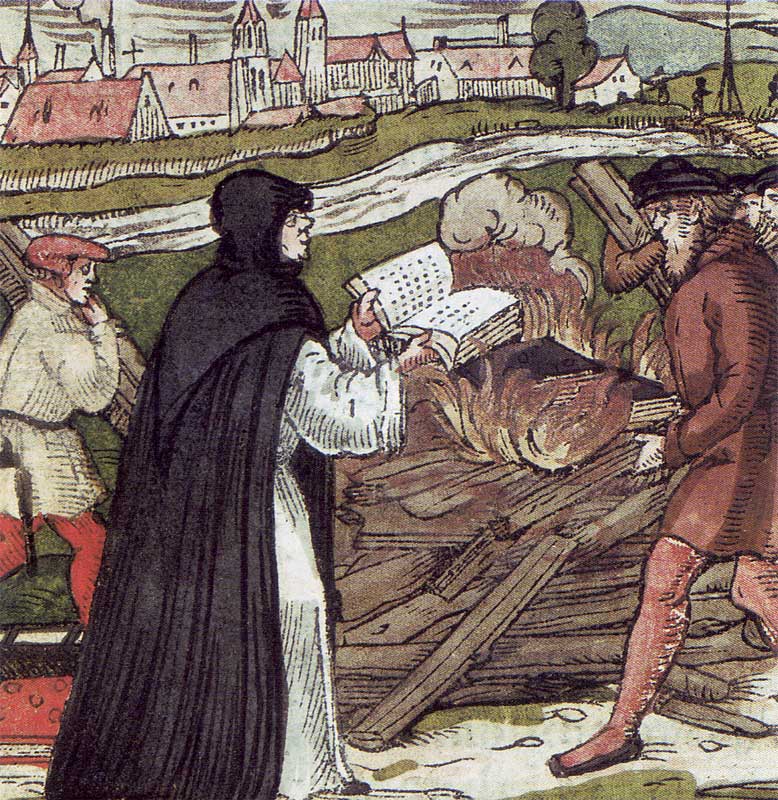
The Bull Is Burned
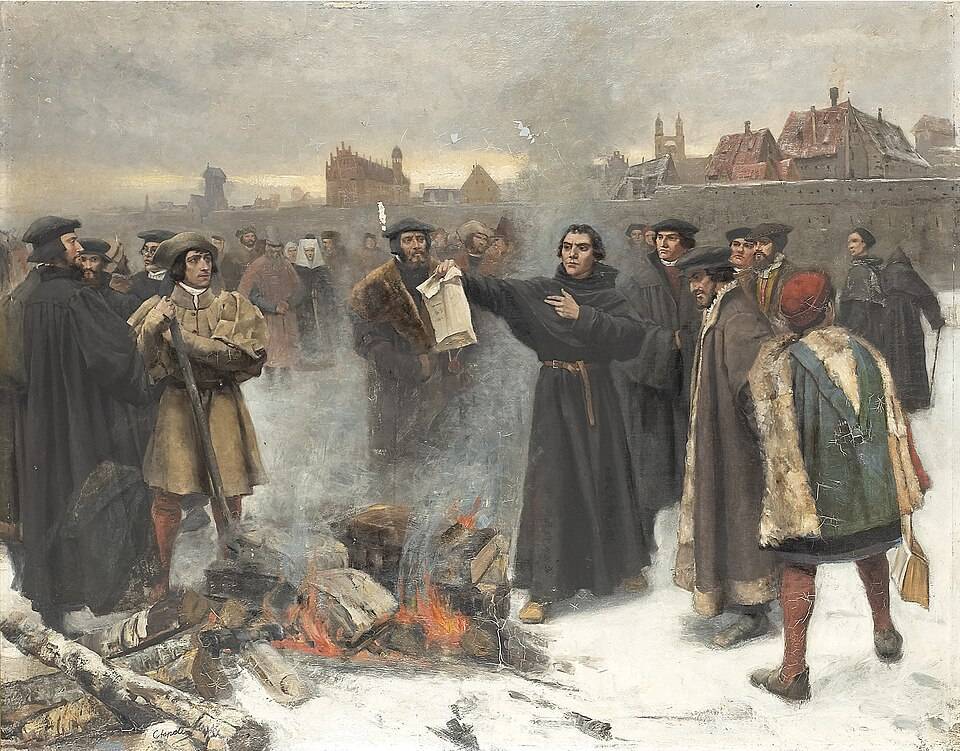
When Rome threatens him with excommunication in the bull Exsurge Domine, Luther burns it publicly outside Wittenberg’s walls.
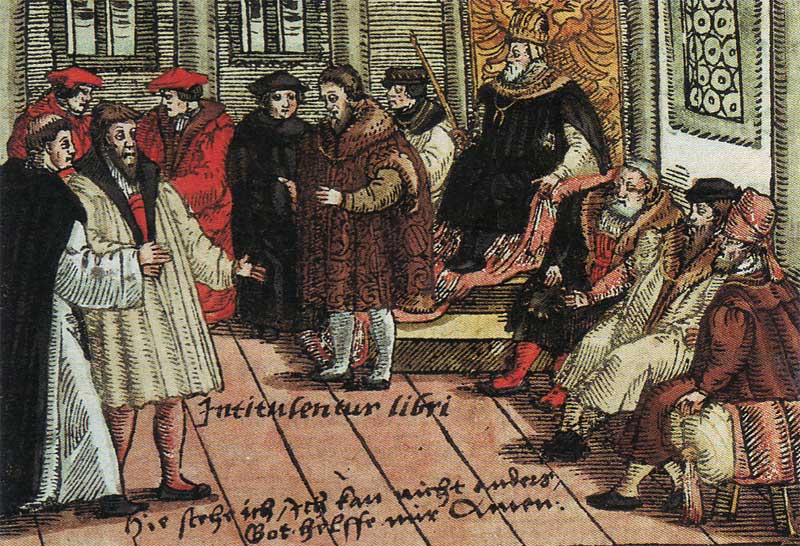
Before the Emperor
Summoned to the Diet of Worms, Luther is asked to take back his books. He answers that only Scripture or plain reason can prove him wrong, and that his conscience is captive to the Word of God.
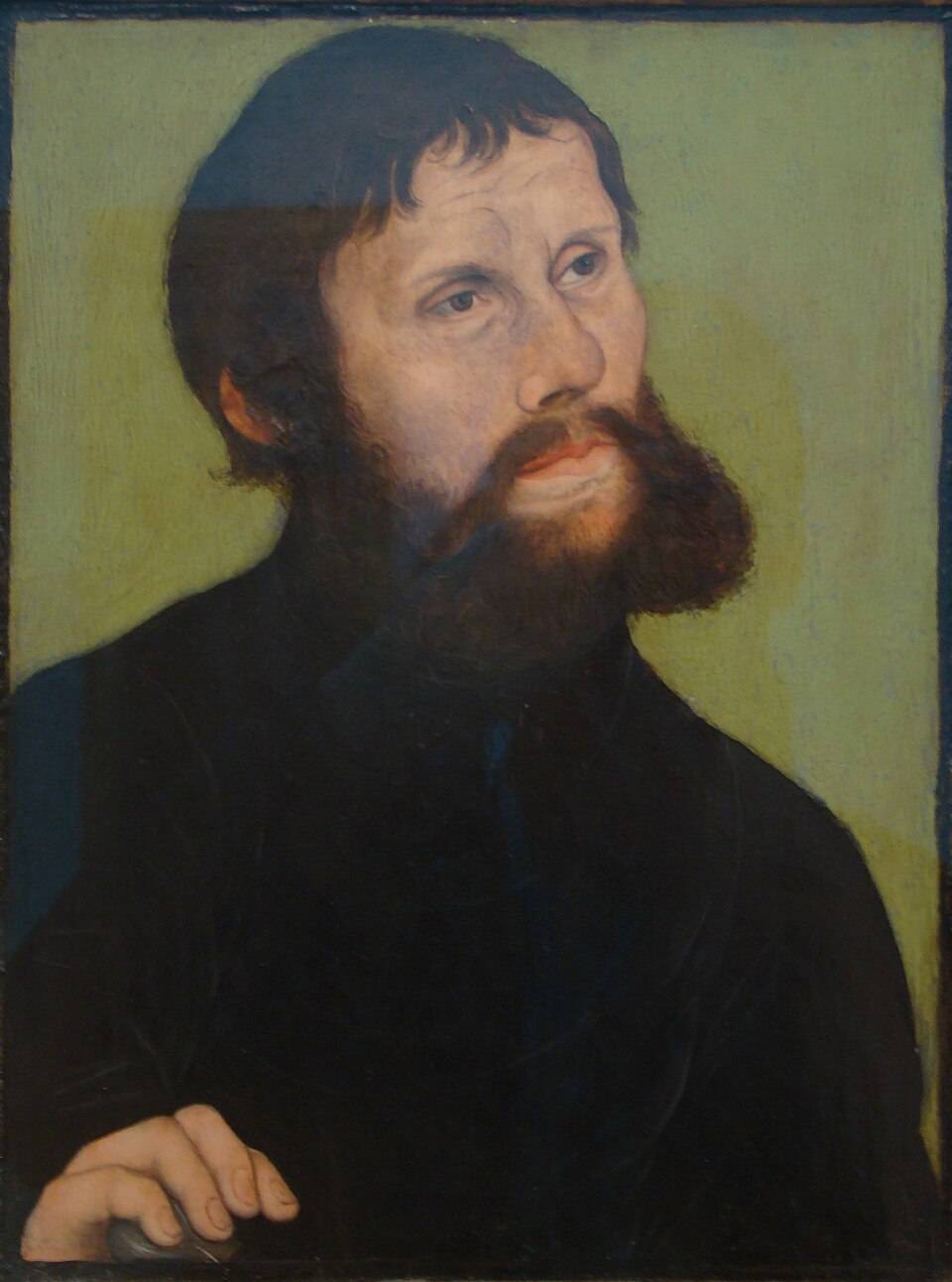
Hidden at the Wartburg
Sheltered in Wartburg Castle by Elector Frederick the Wise, Luther translates the New Testament into the German of ordinary people. It is printed in September 1522.
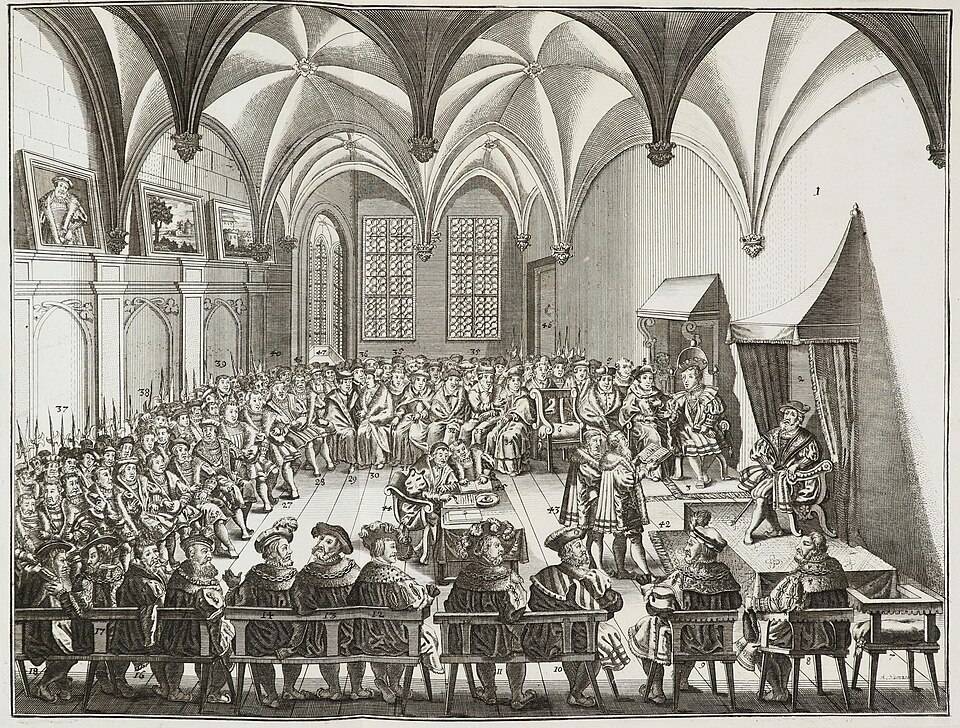
The Augsburg Confession
At the Diet of Augsburg, the confession of faith written by Philip Melanchthon is read before the Emperor, setting out what the reformers believed.
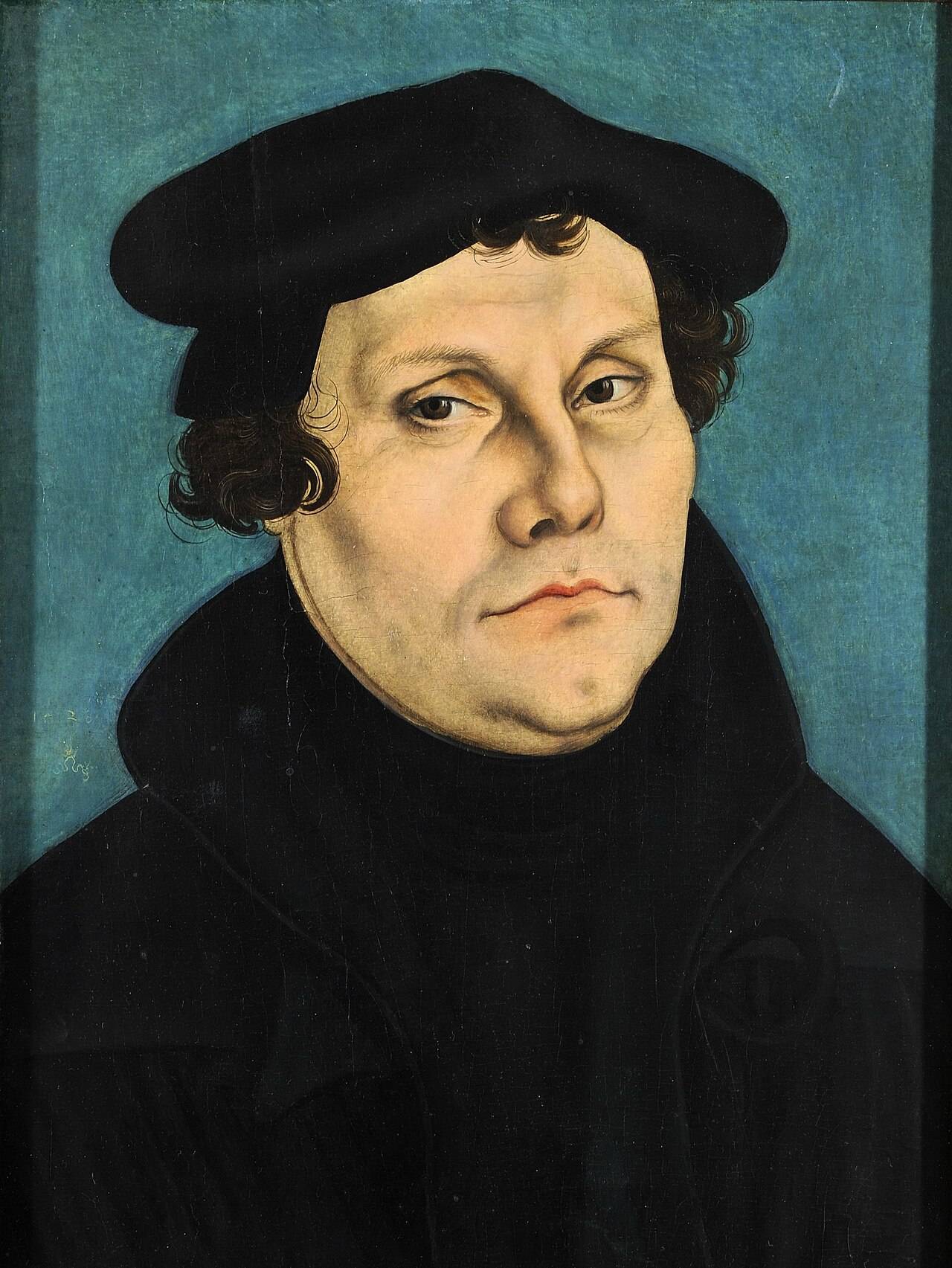
The Whole Bible in German
Luther’s complete German Bible is published, putting Scripture in the hands of ordinary families and helping to shape the German language itself.